
Unauthorized subcontracting in Turkey: The Ghost Sub-Contractor Trap
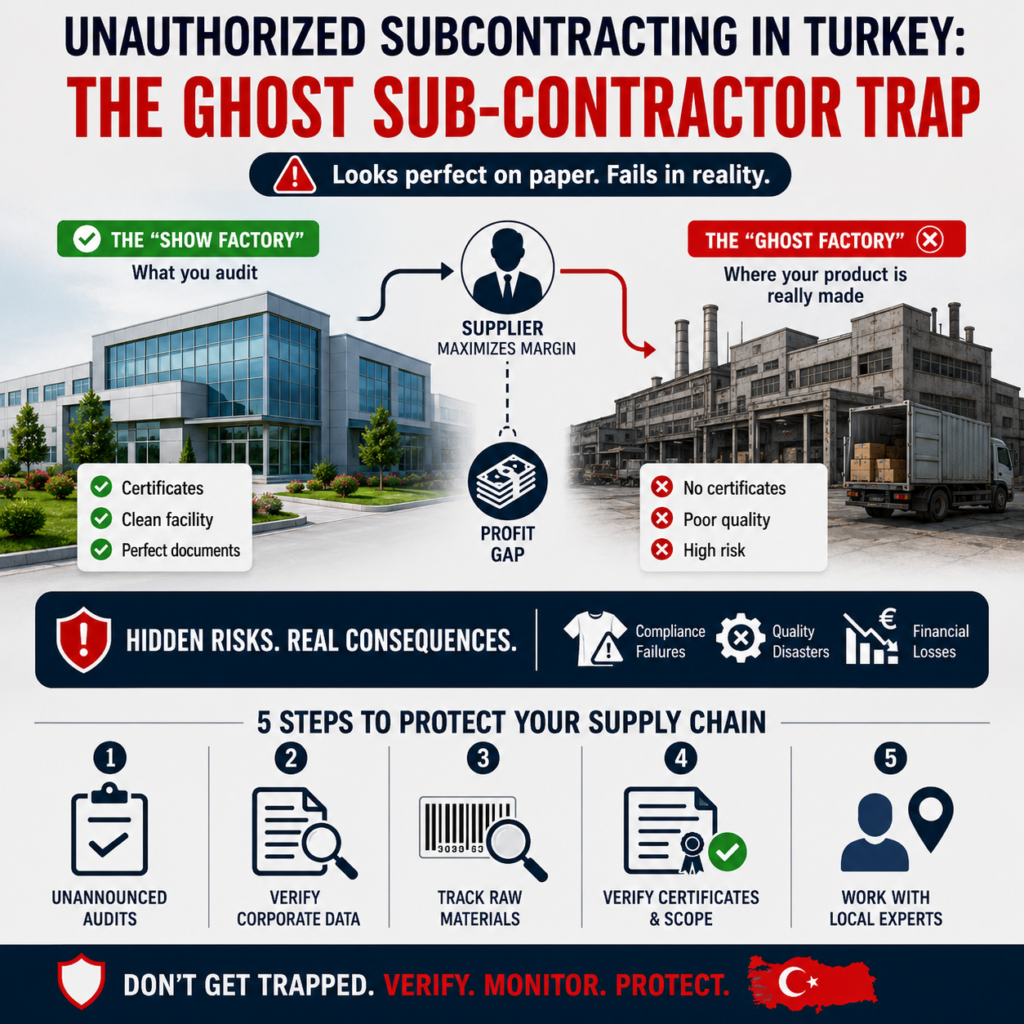
Imagine auditing a beautiful facility, reviewing flawless documents, and signing a major contract. Suddenly, the bulk delivery arrives, and the quality completely fails. Ultimately, you just became a victim of unauthorized subcontracting in Turkey. European procurement teams frequently fall into this specific supply chain trap. Therefore, understanding this threat is critical for your brand’s survival.
A major supplier wins your business by showcasing immaculate facilities. Then, they secretly shift your order to a cheaper, uncertified facility down the road to maximize their profit margins. Consequently, you lose all visibility over quality control. You must understand exactly how the ghost sub-contractor operates to stop them.
What Drives Unauthorized subcontracting in Turkey?
Suppliers rarely engage in this practice out of malice. Instead, they do it primarily for margin and speed.
For instance, when foreign buyers squeeze factory margins during tough negotiations, facility owners look for quick ways to recover profit. The primary facility maintains high overhead costs, while the uncertified facility down the street operates cheaply. As a result, the primary supplier takes your premium payment, pays the ghost factory a fraction of the cost, and pockets the difference.
Furthermore, speed presents another major factor. Overbooked factories cannot meet strict delivery deadlines. Rather than losing the revenue, they outsource the overflow.
Why Unauthorized subcontracting in Turkey Threatens Your Brand
This hidden practice destroys your Total Cost of Ownership (TCO). In addition, it introduces catastrophic risks across multiple industries.
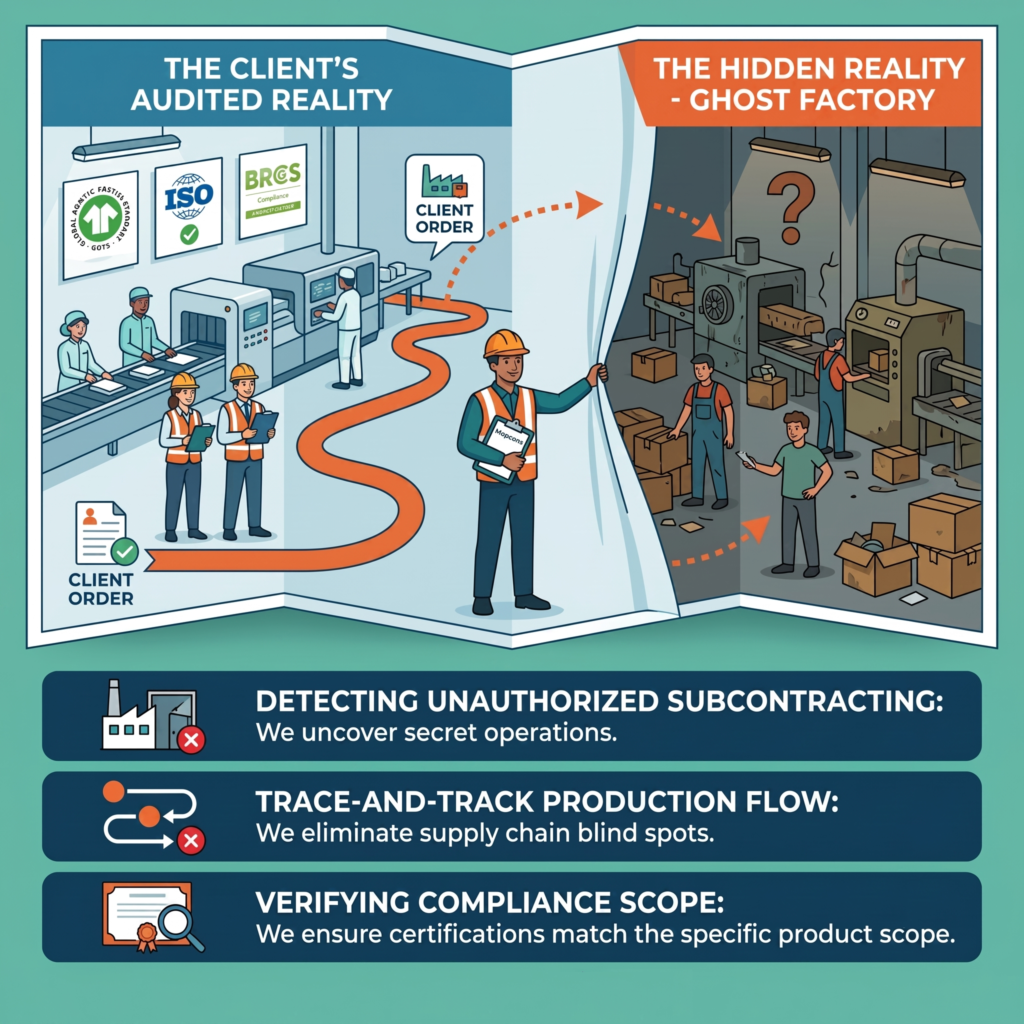
The Compliance Illusion in Textiles
Suppose you source sustainable garments requiring strict GOTS or OEKO-TEX certifications. The primary factory holds these exact credentials. Meanwhile, the ghost facility completely lacks them. They use unapproved dyes and source unverified cotton. Consequently, you unknowingly sell hazardous garments to European consumers, risking massive legal liability.
The Quality Drop in Heavy Industry
This risk extends far beyond textiles. It severely impacts precision manufacturing as well. For example, if you source complex steel components, these parts require exact tolerances. The ghost facility often uses outdated machinery. Thus, the metal tolerances fail, and your entire infrastructure project stalls in Europe.
How Factories Hide Unauthorized subcontracting in Turkey
Suppliers use sophisticated methods to hide their tracks. They know exactly what remote procurement teams look for.
The “Show Factory” Technique
The supplier maintains a pristine main facility to fool foreign auditors. They proudly hang their certificates on the wall. At the same time, trucks quietly move your raw materials out the back door to a secondary location. Therefore, you audit a complete mirage.
Falsified Corporate Backgrounds
Many suppliers create dummy companies to obscure their true corporate networks. They register different business names at the same industrial address. We constantly see this when investigating potential partners for our Commercial Representation services. A flashy English website often hides a tiny, incapable operation.
5 Steps to Prevent Unauthorized subcontracting in Turkey
To effectively protect your supply chain, you must aggressively verify every detail. You cannot rely on trust alone.
1. Conduct Unannounced Physical Audits
Scheduling a factory visit three weeks in advance gives the supplier time to hide ghost production. Therefore, you must conduct unannounced, drop-in audits. A local agent walking straight onto the production floor easily verifies exactly which machines run your product.
2. Verify Corporate Data
Never trust a simple PDF attachment. Instead, investigate the corporate reality using official domain registries and the Turkish trade registry (MERSIS). Verifying every data point independently reveals dummy companies instantly.
3. Track Raw Materials
Numbers do not lie. You must track the volume of raw materials entering the primary facility against the finished goods leaving it. If the factory purchases 5,000 meters of fabric but ships you 10,000 finished garments, they definitely used a ghost sub-contractor.
4. Demand Scope-Specific Certification
A general factory certificate means nothing without verifying the specific product scope. Cross-reference every license number against public databases. This crucial step ensures your exact product category matches their approved scope.
5. Partner with a Local Expert
Managing these complex risks from Europe guarantees failure due to a lack of geographical leverage. Therefore, you need a dedicated local expert on the ground to read the native legal frameworks and physically monitor daily production.
Secure Your Production Lines Today
Ultimately, unauthorized subcontracting in Turkey remains a massive threat to foreign buyers. You must transition from a passive buyer to an active supply chain manager. We trace the entire production flow from raw material to final export. Contact us today to secure your manufacturing partnerships.
Need help with sourcing or trade in Turkey?
Talk to a MOPCONS consultant — we handle export, import, sourcing, representation and contracts end to end.
Related Articles
 Business
The Cost of Not Having a Local Rep in Turkey
A buyer paid thousands of euros to a sourcing agent who was not based in Turkey. No factory knew him. Here is…
Read article →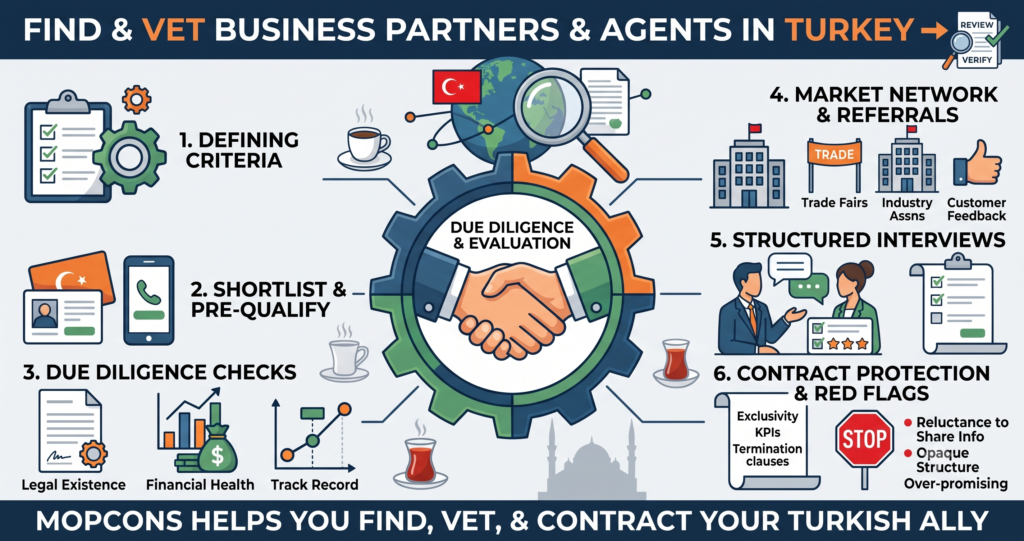 Business
How to Find and Vet a Business Partner in Turkey
A step-by-step method for foreign firms to find, vet and safely contract a reliable business partner or agent in Turkey.
Read article →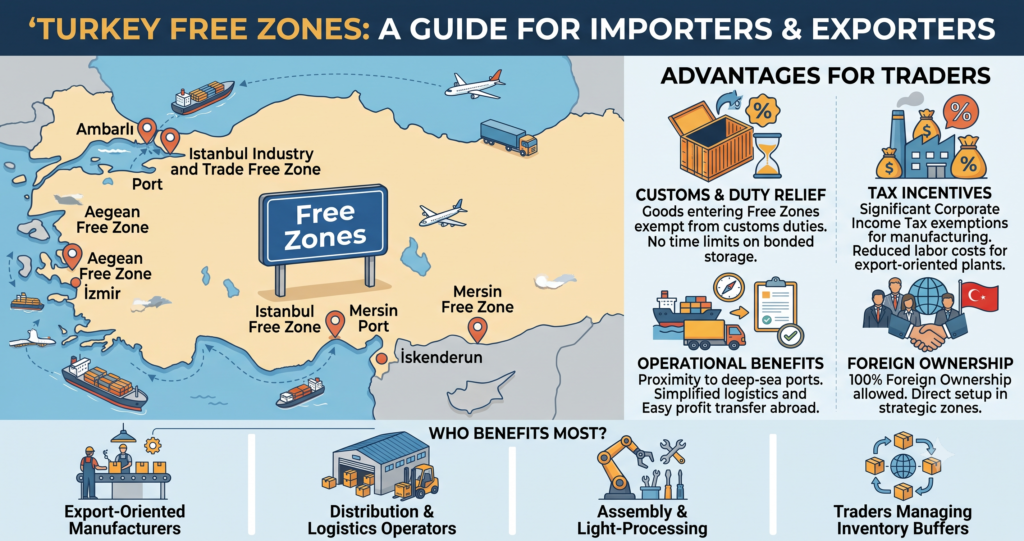 Business
Turkey Free Zones: A Guide for Importers and Exporters
How Turkey's free zones cut customs duties and taxes for importers, exporters and manufacturers, and how to choose the right one.
Read article →