
How to Verify GOTS Certification, Oeko-Tex and BRC in Turkey

Learning to verify GOTS certification properly takes minutes and saves buyers from claims that do not survive a database check.
Finding a Turkish manufacturer with an impressive catalog of certifications is a great first step. However, accepting a PDF certificate at face value is a massive risk. In my years of conducting on-site supplier audits, I have seen expired documents, mismatched scopes, and outright forgeries.
Whether you are sourcing organic cotton garments or exporting aseptic tomato paste, European buyers face strict ESG regulations. If your supplier’s certification is invalid, the legal and financial burden falls entirely on your brand.
Here is the professional buyer’s guide to independently verifying factory certifications in Turkey, moving beyond the PDF to secure your supply chain.
1. Verifying Textile Standards: GOTS and Oeko-Tex
Turkey is a global powerhouse in textile manufacturing, making GOTS (Global Organic Textile Standard) and Oeko-Tex two of the most frequently presented certificates.
How to verify:
- The Database Check: Never rely solely on the document the supplier emails you. For GOTS, always cross-reference the supplier’s name or license number in the official public GOTS database. For Oeko-Tex, use the “Label Check” tool on their official website.
- Check the Scope: A factory might be GOTS certified to produce woven cotton shirts, but that does not mean they are certified to produce your knitwear order. Consequently, you must ensure the product category explicitly matches your exact production needs.
2. Validating Food Safety: BRCGS
If you are sourcing agricultural products or processed foods from Turkey, the BRCGS (Brand Reputation Compliance Global Standards) is the gold standard for European retail.
How to verify:
- The BRCGS Directory: Ask the supplier for their site code and search it in the BRCGS Directory.
- Audit Grade: BRCGS awards grades (from AA+ to D). Pay close attention not just to the certificate’s validity, but to the grade and whether their last audit was announced or unannounced. An unannounced ‘AA+’ rating is the strongest indicator of a highly disciplined facility.
3. The “Sub-contractor Gap”
This is the most common trap for foreign buyers. A manufacturer may possess a pristine, valid ISO 9001 or GOTS certificate. However, if they outsource the dyeing or packaging to an uncertified sub-contractor down the street to save time, your entire supply chain becomes non-compliant.
During your physical audit, you must map the entire production flow. If parts of the process leave the main facility, you must demand the certifications for those secondary sites as well.
Conclusion
A certificate is only as strong as the audit behind it. Independent verification is non-negotiable for mitigating risk and ensuring European market compliance. At Mopcons, we integrate rigorous documentation checks with unannounced physical audits to protect your procurement strategy.
If you are planning to source from Turkey and need expert verification of your supplier network, contact us today to build a resilient partnership.
Need help with sourcing or trade in Turkey?
Talk to a MOPCONS consultant — we handle export, import, sourcing, representation and contracts end to end.
Related Articles
 Business
The Cost of Not Having a Local Rep in Turkey
A buyer paid thousands of euros to a sourcing agent who was not based in Turkey. No factory knew him. Here is…
Read article →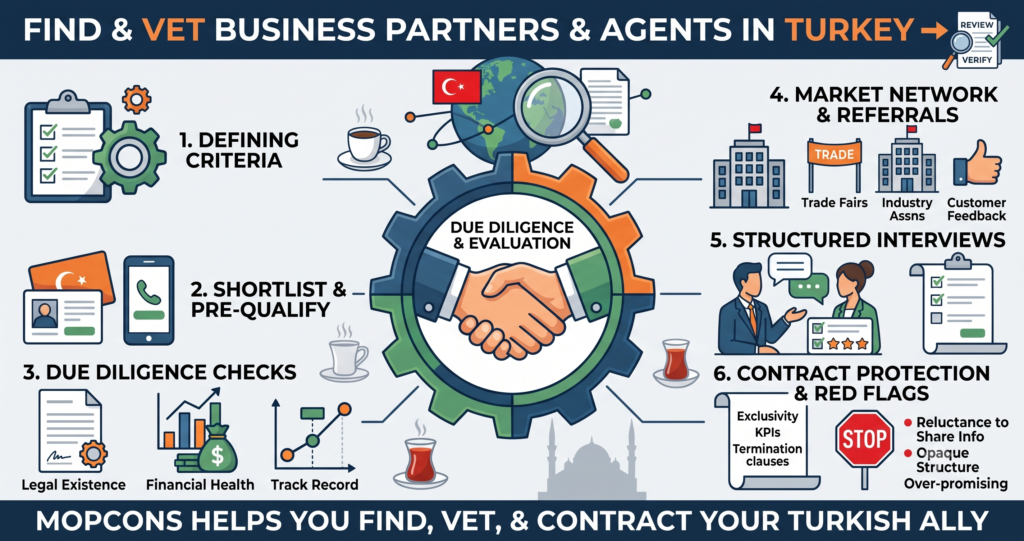 Business
How to Find and Vet a Business Partner in Turkey
A step-by-step method for foreign firms to find, vet and safely contract a reliable business partner or agent in Turkey.
Read article →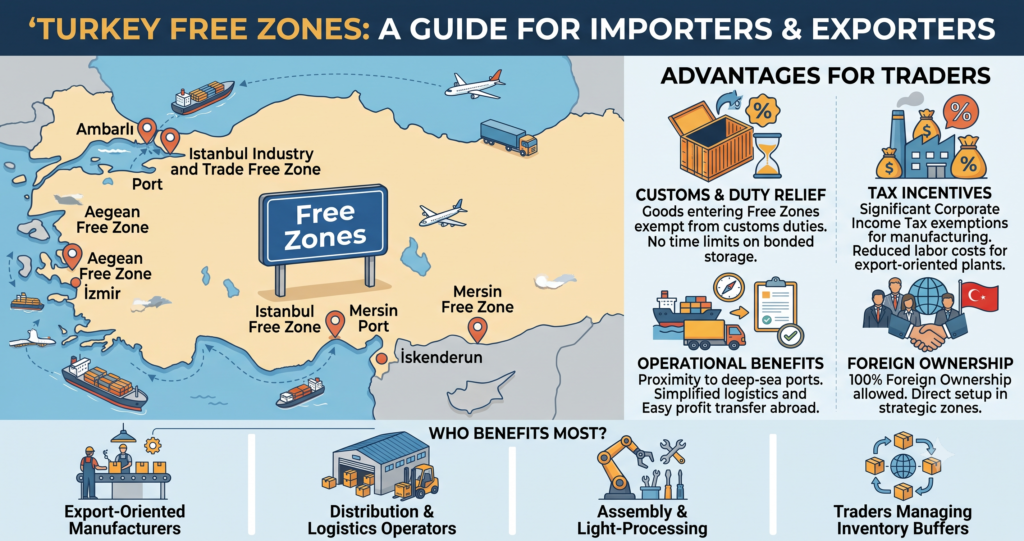 Business
Turkey Free Zones: A Guide for Importers and Exporters
How Turkey's free zones cut customs duties and taxes for importers, exporters and manufacturers, and how to choose the right one.
Read article →